
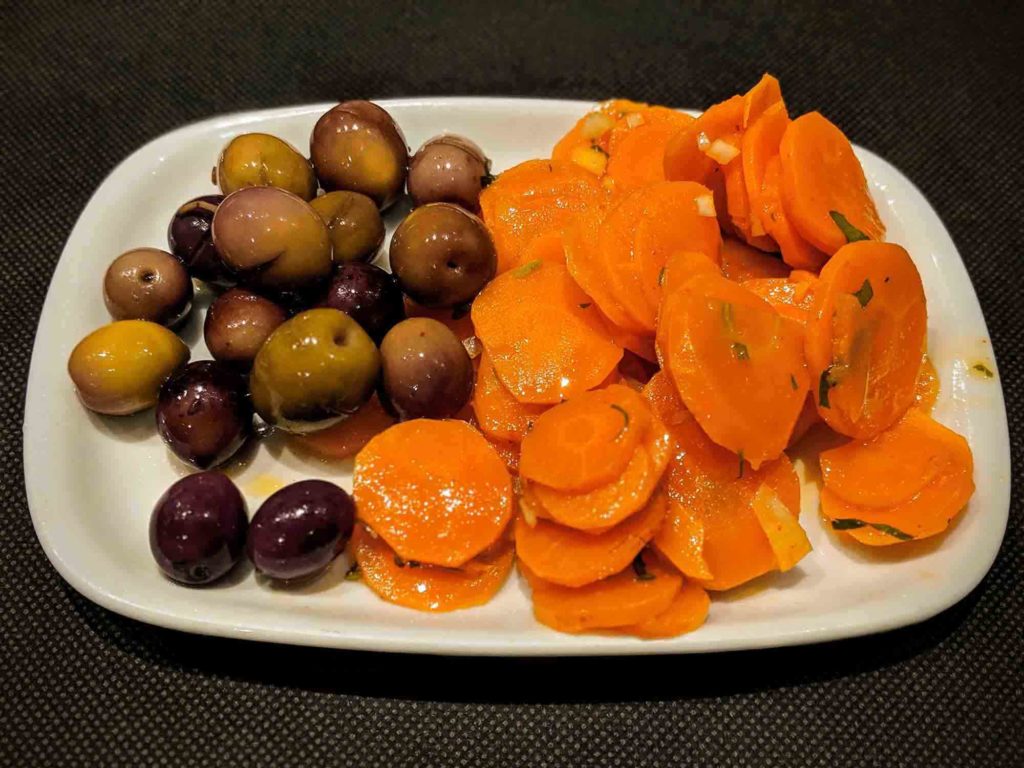
Couvert
In a Portuguese restaurant, the waiter will normally bring over some bread, along with olives, and maybe butter, sardine or tuna paste, cheeses, and sliced ham. Note that the couvert is not included in the meal sometimes, so if you don’t want to overpay, just clarify that with the waiters. In the Algarve, it’s also common to get a small plate of sliced carrots. These seasoned carrots serve as a starter or as a salad to accompany the main dish, and the sauce is excellent for dipping bread.
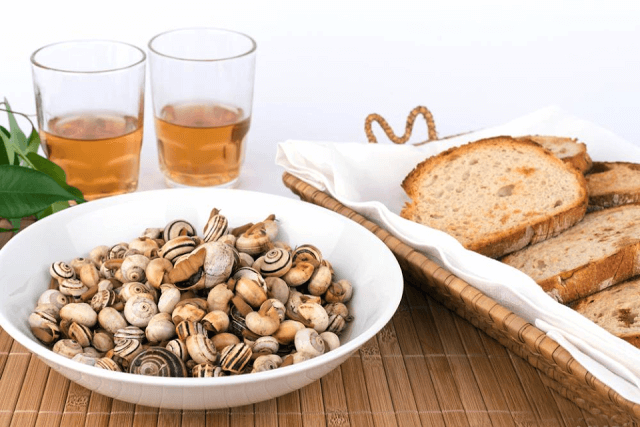
Caracóis
Probably not to everyone’s taste, but for lovers it presents itself as a rare pleasure. Eaten between May and July, snails are usually cooked and seasoned with garlic and oregano. The best snails are the ones that catch on the fennel stalks. Look for the sign that says “Há caracóis”, which means “There are snails.” Then find them on the menu.
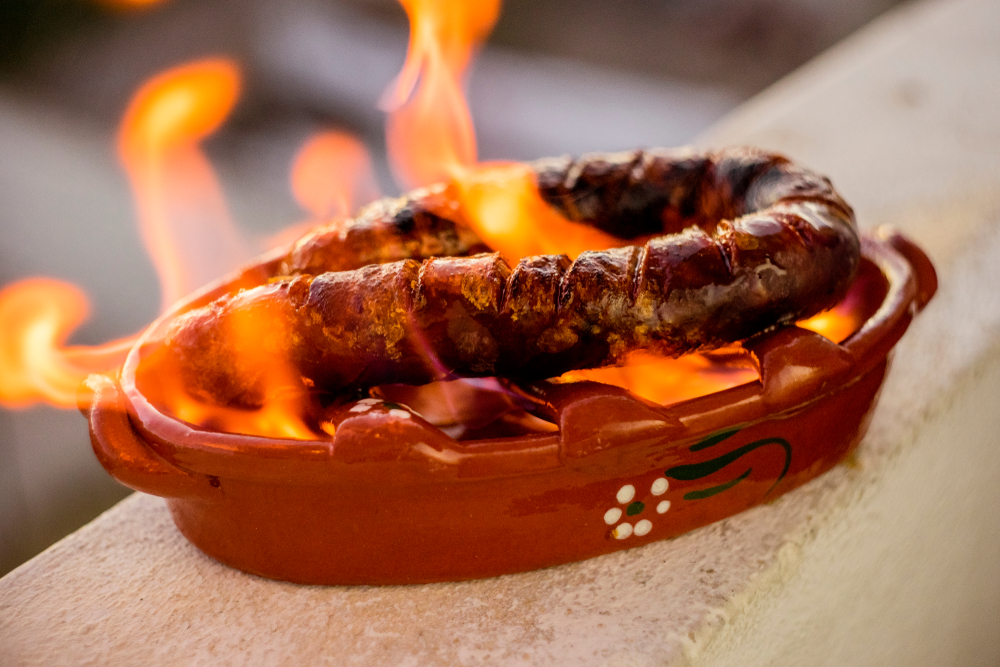
Chouriço Assado
This is a flame-grilled chouriço sausage, Portugal’s less-spicy version of Spanish chorizo. Typically, a large link of the stuff is scored, placed in a special clay bowl (an assador de barro), doused in some high-proof alcohol (like aguardente), and lit aflame before your eyes.
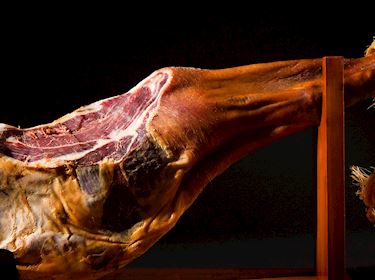
Presunto
The Algarve mountain range is known for its prized ham, and places like Monchique and Querença even organize annual festivals to demonstrate it. The Presunto is a cured ham, similar to Spanish jamón or Italian prosciutto crudo. It’s a modern continuation of the ancient tradition of curing meat, a process that protects the nutritional value, flavor, and texture of the original ingredient.
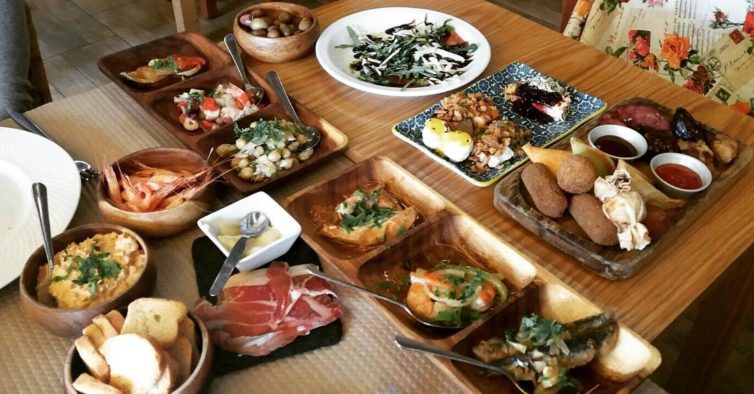
Petiscos de Taberna
Not exactly the nearby Spanish “tapas”, but Portuguese cafes and bars also offer their variety of snacks in small portions. Along with the common rissóis (patties) – fish or meat -, bifanas (pork sandwiches), pregos (beef steak sandwiches) and cod patties, local varieties also include fried moray sandwiches, octopus salad and of course, olives.
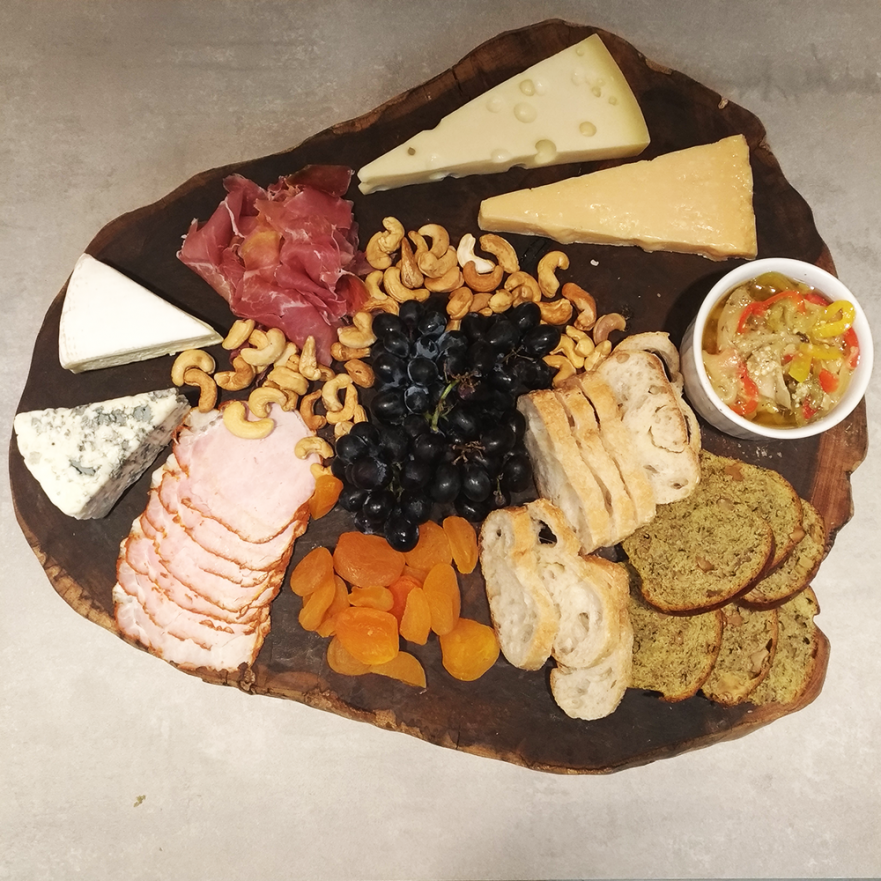
Tábua de Queijos
Portugal produces some excellent quality and quite distinct cheeses. Known for sheep’s milk, goat’s milk cheese (including “Algarve goat’s cheese”), and cheeses made with the mixture of both milks, such as “Rabaçal cheese”. The country is equally proud of cow’s milk cheeses, especially those produced in the Açores, which resemble their Dutch cousins, due to the fact that emigrants from Flanders colonized the islands in the fourteenth and fifteenth centuries. Ask for a cheese board, and try them all!
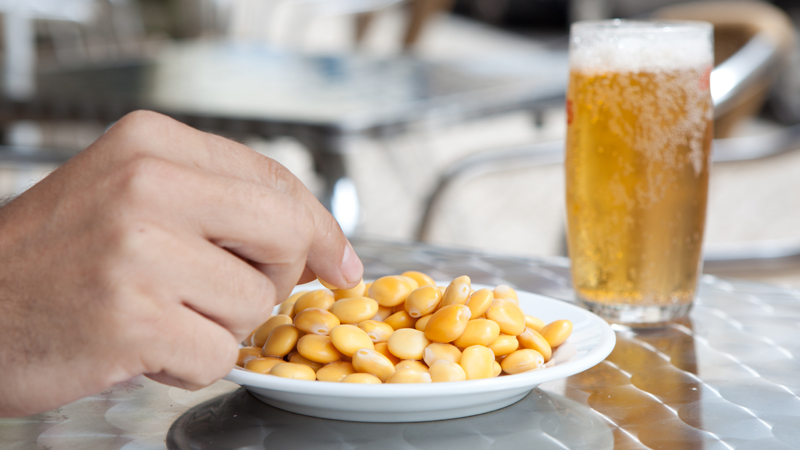
Tremoços
Lupini beans. They are preserved in brine and usually eaten as a small snack with beer.
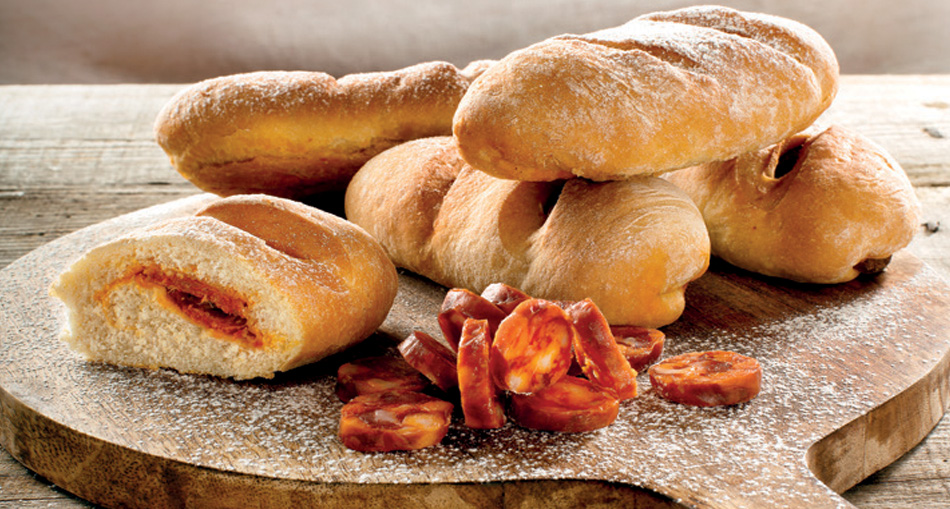
Pão com Chouriço
Pão com chouriço is a traditional Portuguese snack. It consists of yeasted dough rolls that are filled with the pork sausage known as chouriço. The bread rolls are usually made with flour, yeast olive oil, salt, and slices of chouriço sausage.
These delicious snacks are baked in the oven until golden brown, and it’s recommended to serve them while still warm.
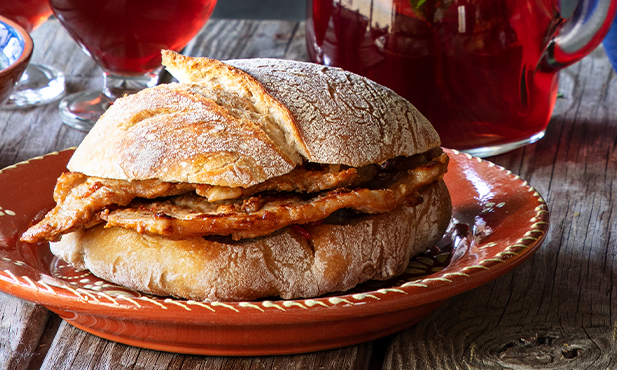
Bifana
Bifana is a classic Portuguese sandwich that employs few ingredients but makes for an exquisite dish. It consists of a seasoned, lightly pounded, sliced or whole pork steaks that are simmered in garlicky sauce, and then placed inside a bread roll. The variations on this classic can slightly differ depending on the region.
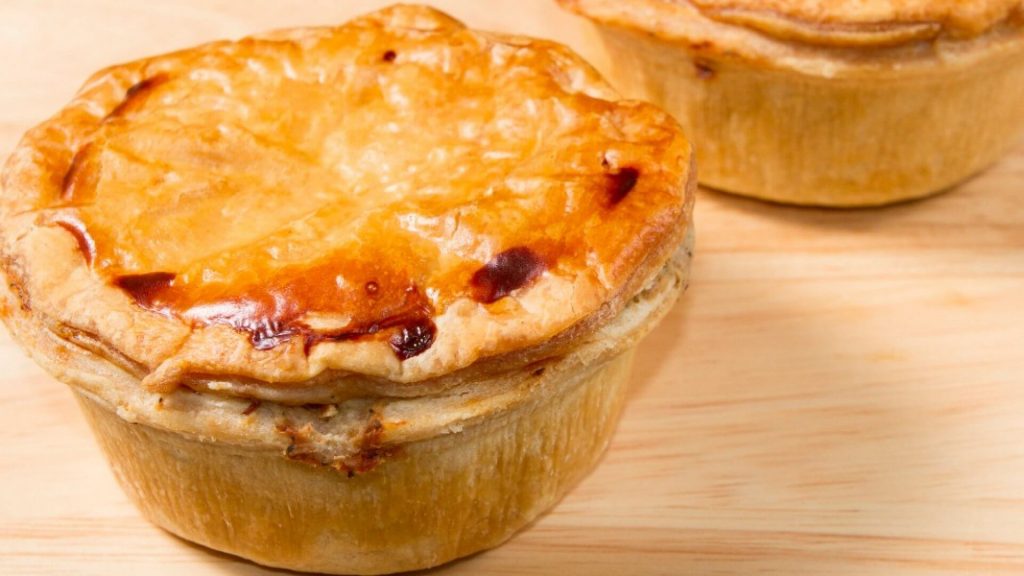
Empada
It is a mini pie with a very crumbly crust, that comes with various fillings such as meat, seafood, seasonal vegetables, cheese, and sauces.